17 October 20265 min read
Pashmina Quality Grades: What You’re Really Paying For
Anyone who buys coffee knows the grades: there’s the everyday blend, then single-origin specialty, then the rare competition lots that sell for many times more. Pashmina works the same way. Two shawls can both be honestly sold as pashmina and still be very different things — just as two bags of coffee can both be 100% arabica.
This guide walks you through the main types of pashmina you’ll come across, what sets them apart, and why the prices vary. No jargon — just the simple story.
Pashmina and cashmere are one family
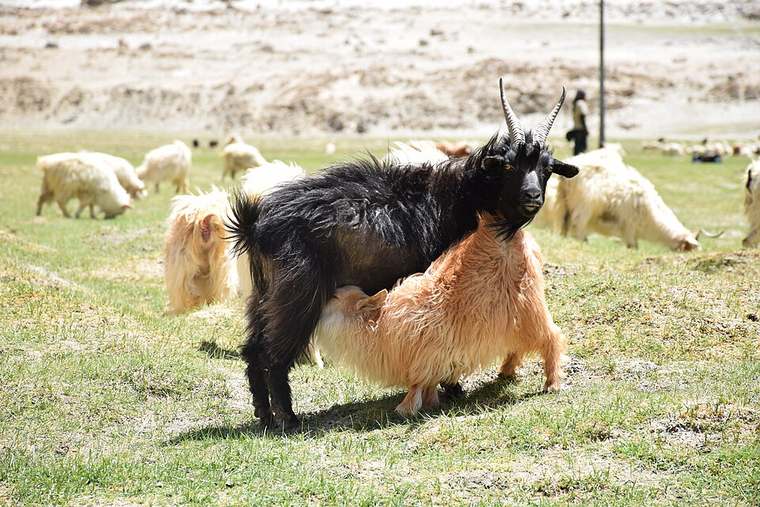
First, the simple truth: pashmina and cashmere come from the same animal — the cashmere goat of the high Himalayas. “Pashmina” isn’t a different fiber; it’s the name for the finest end of the cashmere spectrum, from the Chyangra goats living above 4,000 metres.
Think of it this way: all pashmina is cashmere, but not all cashmere is pashmina.
The classic: pure pashmina
This is the heirloom — a shawl woven from pure pashmina fiber, nothing added. It is the softest, lightest, and most precious of the family, and it sits at the top of the price range.
One shawl needs the entire yearly yield of three to four mountain goats, plus up to two weeks of hand-weaving. That rarity and handwork is what you’re paying for — a piece that can be handed down for generations and grows softer with age.
The all-rounder: pashmina and silk
Blend pashmina with silk and you get the best of both worlds: the softness of pashmina with silk’s gentle sheen and graceful drape. These shawls catch the light beautifully and are a favourite for weddings and special occasions.
Because silk costs less than pure pashmina fiber, these pieces sit in the middle of the price range — an easy way to own something luxurious without the top-tier price.
The everyday: wool blends
At the most affordable end you’ll find pashmina blended with fine wool, or soft wool shawls in pashmina styles. They’re warm, durable, and perfect for everyday wear — the office, chilly evenings, weekends away.
They won’t feel quite as cloud-soft as the pure fiber, but they’re honest, hardworking pieces at a friendly price.
What “100% pashmina” really means
“100% pashmina” tells you what’s in the shawl — pure pashmina fiber, no blends, no synthetics. It’s a description of the recipe, like “100% arabica” on a coffee bag.
Blends aren’t lesser or fake — they’re simply different varieties of the same product at different prices. The silk adds sheen, the wool adds warmth and durability, and the price reflects the recipe.
So when two shawls carry very different price tags, the difference is usually the fiber recipe and the amount of handwork — the classic, the all-rounder, and the everyday each have their place.
Handwoven vs machine-made
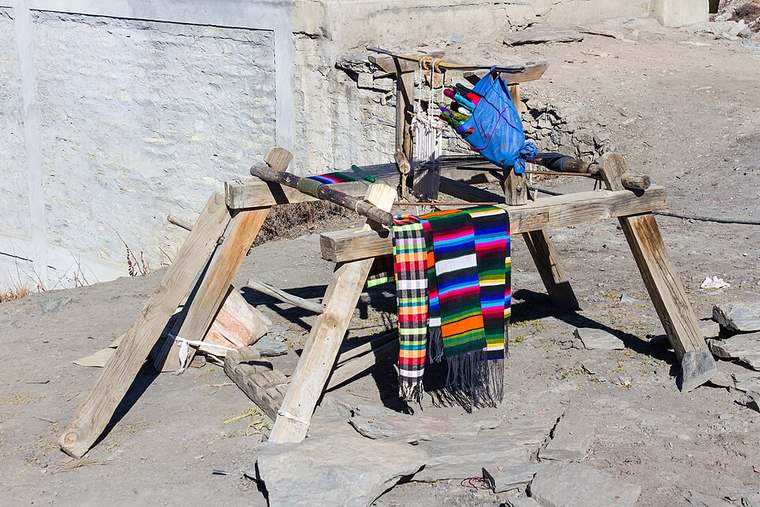
One more thing shapes the price: how the shawl was made. A handwoven pashmina passes through the hands of spinners, dyers, and weavers over days or weeks — look closely and you’ll see tiny variations in the weave, the signature of human hands.
Machine-made pieces are perfectly even and cost less to produce. Both keep you warm; the handwoven one carries the story of its makers.
Ready to feel the difference?
Browse handwoven pashminas made by artisan families in Nepal.